
Air Conditioning Qualifications: What You Need to Install AC in the UK
Written by the Ellis Training Works team, delivering City & Guilds refrigeration, air conditioning and heat pump training for more than 30 years.
If you want to fit air conditioning in the UK, the qualifications you hold decide what work you can legally carry out. The short answer is that you need an F-Gas qualification as an individual, and the business you work for (even if you are a sole trader) needs F-Gas company certification. Most employers and customers will also expect electrical, brazing and flammable refrigerant skills.
This guide explains the air conditioning qualifications you need, which ones are a legal requirement, which ones are expected in practice and the quickest route to getting qualified.
Quick answer: the air conditioning qualifications you need
- F-Gas Category 1 or 2 (for example City & Guilds 2079). This is a legal requirement for anyone installing systems that contain F-gas refrigerants.
- F-Gas company certification. This is a legal requirement for the business, including sole traders.
- Electrical competence. You need this to connect and test systems safely and to meet Building Regulations in homes.
- Brazing. This is essential for making leak-free pipe joints.
- Flammable refrigerant training. This is increasingly important as R32 and R290 become common.
1. The Legal Requirement: An F-Gas Qualification
Most air conditioning and heat pump systems use fluorinated gases (F-gases) as refrigerants. Under UK law you must hold your own F-Gas qualification to install, service, maintain, leak check, recover gas from or decommission these systems. This applies even if you work for someone else, and GOV.UK guidance is clear that working without the correct qualification can lead to a civil penalty.
There are four certificate categories for stationary refrigeration, air conditioning and heat pump (RACHP) systems:
| Category | What it allows you to do |
|---|---|
| Category 1 | All activities on systems of any size, including installation, servicing, leak checking and recovery |
| Category 2 | Install, maintain, service and recover refrigerant from systems containing less than 3kg of F-gas (or less than 6kg if hermetically sealed) |
| Category 3 | Recover refrigerant from systems containing less than 3kg of F-gas (or less than 6kg if hermetically sealed) |
| Category 4 | Check equipment for leaks without breaking into the refrigeration circuit |
For air conditioning installers, Category 1 is the qualification most employers look for because it covers every size of system. We compare the two main options in detail in our guide to F-Gas Category 1 vs Category 2, and our overview of F-Gas certification levels explains the full picture.
At Ellis Training you can gain the City & Guilds 2079 qualification through our five day F-Gas Category 1 course. Experienced engineers who only need the assessment can book the one day Category 1 assessment, and there is also a two day Category 4 course for leak checking.
2. F-Gas Company Certification
Holding a personal F-Gas qualification is only half of the legal picture. Any company that installs, repairs, maintains or decommissions stationary air conditioning or refrigeration equipment for other people must also be certified by an approved certification body. That includes sole traders.
To gain company certification, a business must show that it employs enough qualified staff and has a written procedure for handling F-gases safely. If you are planning to set up on your own, build this into your plans from the start. Our F-Gas implementation seminar helps businesses understand what the regulations mean in practice.
3. Electrical Qualifications
Every air conditioning system needs a power supply and control wiring, so electrical competence is essential. In homes in England, electrical installation work must meet Part P of the Building Regulations, which usually means the work is carried out or signed off by someone registered with a competent person scheme.
Many installers hold a recognised wiring regulations qualification alongside their F-Gas certificate. On the refrigeration side, our Testing and Fault Finding of Electrical Circuits for RACHP Systems course teaches engineers how to test, diagnose and repair the electrical circuits found in air conditioning and heat pump equipment. You can see all of our electrics courses here.
4. Brazing Skills
Poorly made joints are one of the main causes of refrigerant leaks. Employers want installers who can braze copper pipework to a high standard, and a recognised brazing certificate proves it. Our one day flame brazing course is certified by the British Refrigeration Association (BRA), and BRA brazing is also included in our 10 day air conditioning course.
5. Flammable Refrigerants
Many modern split air conditioning systems use R32, which is mildly flammable, and many heat pumps now use R290 (propane). Working safely with these refrigerants needs extra knowledge on handling, storage, ventilation and leak detection. Our flammable refrigerants course covers the City & Guilds 6187-316 unit and is a valuable addition for any installer.
6. Getting Started With No Experience
If you are new to the industry, you do not need any existing air conditioning qualifications to start training. There are two common routes.
The structured route
The City & Guilds 6090 Level 2 Diploma in Refrigeration, Air Conditioning and Heat Pump Systems gives you a strong foundation in theory, tools, components, pipework and system principles before you move on to F-Gas and specialist training. Employers looking to develop new starters can also explore our trainee and apprentice courses.
The fast track route
Our intensive courses combine the core qualifications in one block of training:
- Refrigeration, Air Conditioning and Heat Pump Systems 10 day course, including City & Guilds 2079 F-Gas and BRA brazing
- Refrigeration, Air Conditioning and Heat Pump Systems 15 day course, including City & Guilds 2079 and 6187-316 flammable refrigerants
Read our guide to the fast track air conditioning course to see whether it suits you, or our step-by-step article on how to become an air conditioning technician.
Air Conditioning Qualifications at a Glance
| Qualification | Legal requirement? | Who needs it |
|---|---|---|
| F-Gas Category 1 or 2 (City & Guilds 2079) | Yes | Every engineer working on F-gas systems |
| F-Gas company certification | Yes | Businesses and sole traders working on other people’s systems |
| Electrical competence | Yes, for notifiable work in homes | Anyone connecting or testing system electrics |
| BRA brazing certificate | No, but widely expected | Installers making pipe joints |
| Flammable refrigerants (6187-316) | No, but increasingly expected | Engineers working with R32, R290 and similar |
| Level 2 Diploma (6090) | No | New entrants building a foundation |
What About Heat Pumps?
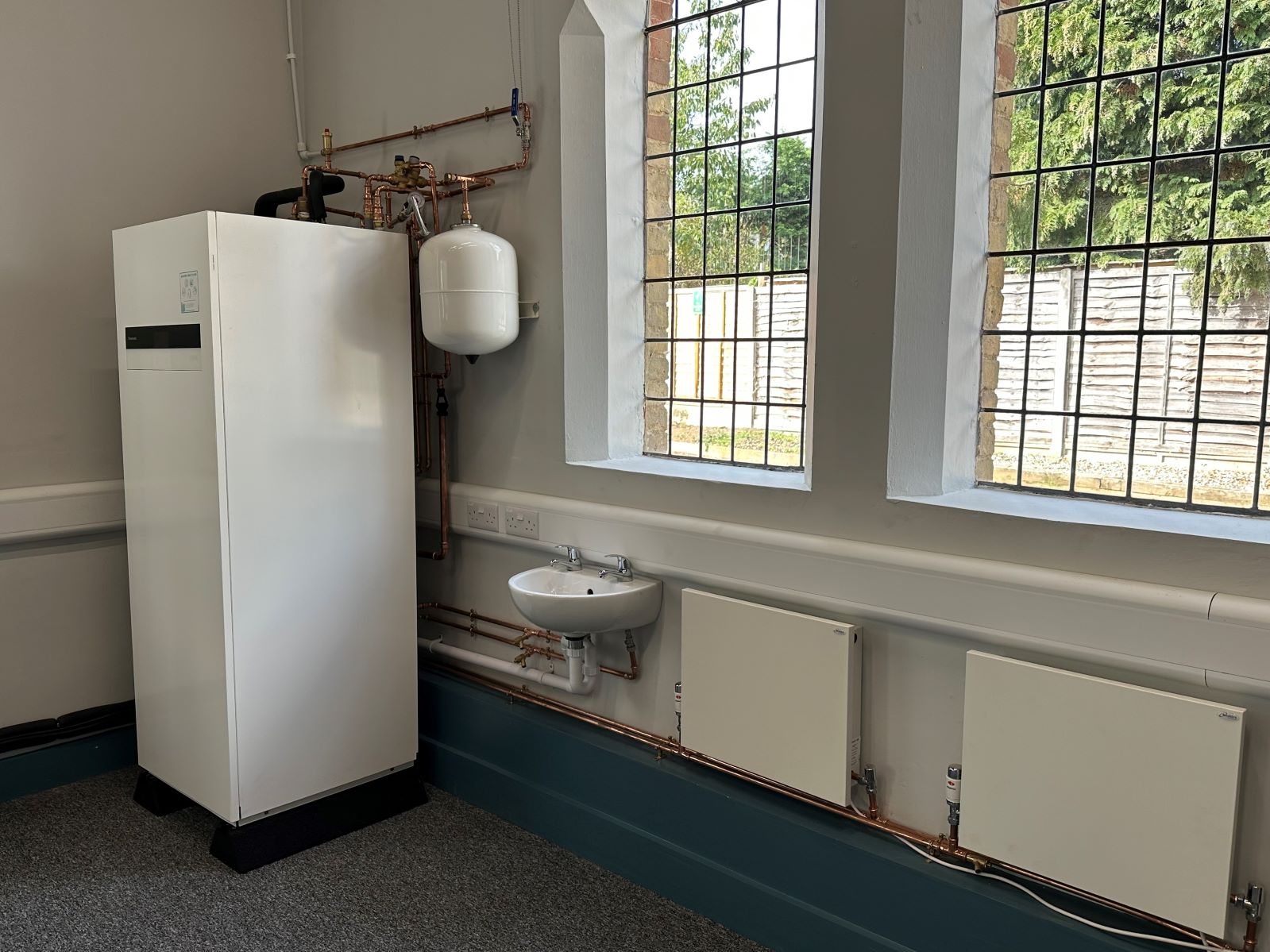
Air conditioning and air source heat pumps work on the same refrigeration principles, and many installers now work on both. The same F-Gas rules apply to heat pumps that contain F-gases. If you want to add heat pumps to your skills, take a look at our air source heat pump courses or our article on heat pumps explained.
Why Gain Your Air Conditioning Qualifications With Ellis?
Ellis Training Works was founded by John Ellis, who played a key role in establishing the national F-Gas qualification. For more than 30 years we have trained engineers from across the UK and overseas. Our training centre in Watton at Stone, Hertfordshire, has dedicated classrooms and workshops with real equipment, so every course includes hands-on practice in brazing, pressure testing, evacuation, commissioning and fault finding.
Learners travelling from further away can find local options on our accommodation page, and you can hear from past trainees on our testimonials page.
Frequently Asked Questions
Is it illegal to install air conditioning without F-Gas?
Yes. If the system contains F-gas refrigerant, you must hold the correct F-Gas qualification to install it, and the business must hold company certification. Working without them can lead to civil penalties from the Environment Agency.
Which F-Gas category do I need to install air conditioning?
Category 2 covers installation on systems containing less than 3kg of F-gas (or less than 6kg if hermetically sealed). Category 1 covers systems of any size and is the qualification most employers prefer.
Does an F-Gas qualification expire?
City & Guilds F-Gas qualifications do not have an expiry date. However, engineers are expected to keep their knowledge up to date, especially when regulations and refrigerants change.
Can I install air conditioning in my own home?
If the system needs refrigerant pipework to be connected, charged or opened, the work must be done by a qualified engineer working for a certified company. Any new electrical circuit in a home is also likely to be notifiable under Part P.
How long does it take to get qualified?
Our F-Gas Category 1 course runs over five days, and our fast track air conditioning courses take 10 or 15 days. The Level 2 Diploma takes longer and suits people who want a deeper grounding before specialising.
Start Your Air Conditioning Training
Whether you are new to the trade or need to formalise years of experience, we can help you choose the right air conditioning qualifications for your goals. Browse our air conditioning courses, get in touch or call our team on 01707 879 879.
